- How Woven and Nonwoven Geotextiles Are Manufactured and Why it Matters
- Performance Characteristics: Separating Fact from Marketing
- Comparing Application Scenarios
- Common Errors in Choosing Between Woven and Nonwoven Geotextiles
- Checklist: How to Select for Kazakhstan Projects
- Geotextile Woven vs Non Woven: Real-World Examples from Kazakhstan
- Making the Right Choice for Reliable Construction in Kazakhstan
When it comes to civil engineering, landscaping, or road construction in Kazakhstan, the choice between woven and nonwoven geotextiles shapes the outcome of your project. Many professionals and project managers weigh the options, recognizing that the right separation, reinforcement, or filtration solution can mean the difference between a durable surface and costly repairs. For those searching for dependable suppliers, Kraska.kz provides a broad selection of geotextiles, such as geotextile cloth, fit for Kazakhstan’s diverse soils and environmental conditions.
How Woven and Nonwoven Geotextiles Are Manufactured and Why it Matters
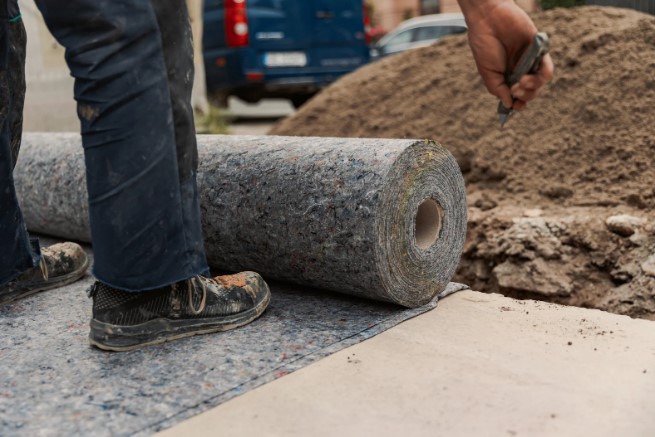
Understanding the production process of geotextiles is vital for smart material selection. Woven geotextiles are manufactured by interlacing polypropylene or polyester fibers in a regular, crisscross pattern. This process creates strong, stable fabrics with defined pore sizes and impressive tensile strength. The resulting structure makes woven geotextile vs non woven products particularly advantageous where strength and load distribution are crucial–think road bases, retaining walls, or railway embankments.
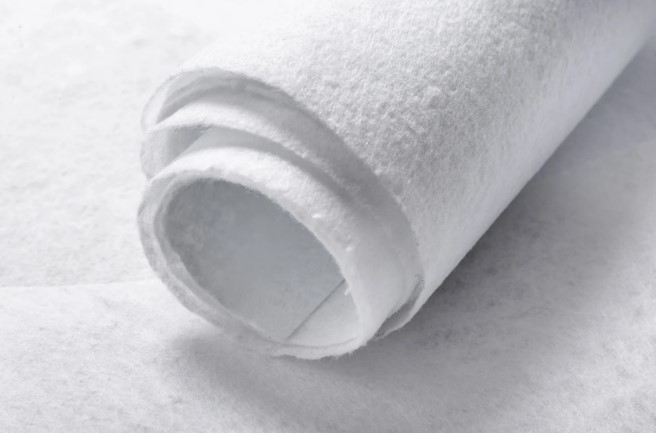
In contrast, nonwoven geotextiles are made by bonding short or continuous fibers through mechanical, chemical, or thermal means, resulting in a felt-like, porous fabric. Non woven geotextile vs woven variants differ significantly in texture and flexibility; nonwovens are typically thicker, more pliable, and have larger pore sizes. These characteristics are highly beneficial for filtration and drainage applications–making them ideal for subsoil drainage, erosion control, and as a separation layer under roads or parking lots.
The structural differences between woven vs non woven geotextile fabric have practical consequences. Woven geotextiles deliver higher tensile strength and are less susceptible to elongation, meaning they effectively distribute loads and increase the stability of load-bearing soils. Nonwovens, on the other hand, offer superior filtration properties, allowing water to pass while trapping soil particles. This distinction is critical in filter applications, such as preventing silt migration in drainage systems or riverside reinforcement projects.
While both fabric types are used extensively across Kazakhstan’s construction sector, the environmental conditions, required lifespan, and specific functional demands of your project should drive the choice between woven geotextile vs non woven materials.
Performance Characteristics: Separating Fact from Marketing
Performance metrics are crucial when evaluating non woven vs woven geotextile fabric for any infrastructure project. In the real world, these materials aren’t interchangeable. Let’s look at the defining features that influence project performance and long-term durability.
Tensile Strength and Load Support
When assessing woven geotextile vs non woven fabric, tensile strength is a decisive factor. Woven geotextiles typically boast higher tensile strength and lower elongation, making them indispensable for reinforcement of soft soils or stabilization of embankments. This is why woven vs non woven geotextile for road construction often resolves in favor of wovens, especially for highways or heavily used industrial sites.
Filtration and Permeability
Filtration performance sets nonwovens apart. Larger pore sizes and high permeability allow them to act as effective filters–draining water while containing soil. In applications such as subgrade drainage, riverbank protection, or beneath sports fields, non woven geotextiles excel at maintaining soil stability while ensuring effective drainage. This makes the non woven geotextile vs woven filter debate particularly relevant for projects with complex hydrological requirements.
Durability and Lifespan
Woven geotextiles are more resistant to biological degradation, UV exposure, and installation stresses due to their tightly bound fibers. However, nonwovens can be preferable where high puncture resistance and flexibility are needed, such as in landfill liners or wrapping underground pipelines.
Ease of Installation
Nonwovens tend to be easier to cut, fit, and handle, especially over irregular terrain or curved surfaces. This reduction in labor can be significant for large-scale landscaping or municipal infrastructure projects.
Cost Considerations
While woven geotextiles generally have a higher upfront cost, their longevity and strength often deliver better value in high-load settings. Nonwovens, though cheaper per square meter, may be a better choice for less demanding separation or filtration tasks.
In Kazakhstan’s climate–with varying freeze-thaw cycles, soil types, and water tables–the right choice between geotextile woven vs non woven filter products means balancing these technical characteristics against project goals.
Kraska.kz supplies a versatile range of materials, and by consulting Kraska.kz you can access expert advice tailored to the unique performance requirements of regional projects.
Comparing Application Scenarios
- Embankment Stabilization: Woven geotextile vs non woven cloth–wovens offer greater support and soil retention.
- Drainage Systems: Non woven geotextile vs woven–nonwovens win with superior filtration.
- Landfill Liners: Non woven vs woven geotextile–nonwovens provide puncture resistance.
- Road Construction: Woven vs non woven geotextile fabric applications–wovens resist deformation under traffic loads.
Common Errors in Choosing Between Woven and Nonwoven Geotextiles
Mistakes in geotextile selection can undermine performance, escalate costs, or trigger premature failures. Recognizing the pitfalls is as important as understanding the technical data.
Among the frequent errors:
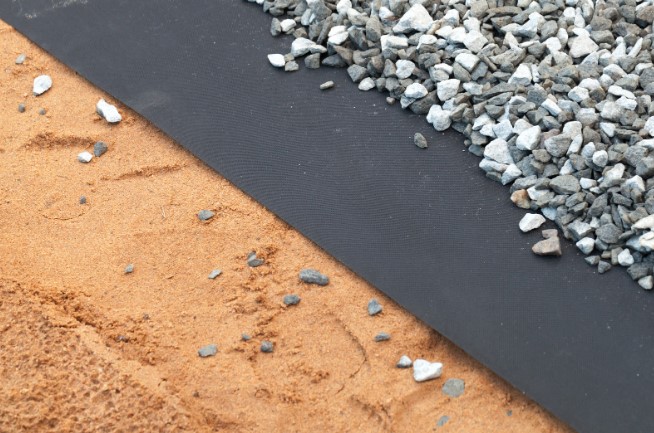
- Misidentifying Functional Needs: Using non woven geotextile vs woven fabric for load-bearing structures reduces stability; conversely, poor drainage after using woven where filtration is needed.
- Ignoring Site Conditions: Soil type, moisture levels, and chemical composition in Kazakhstan can affect geotextile performance.
- Improper Overlaps and Installation: Gaps, wrinkles, or tearing during installation often stem from using the wrong fabric type for complex terrains.
- Forgetting Maintenance and Longevity: Project planners sometimes select the cheaper non woven fabric for applications where woven geotextile vs non-woven geotextile durability is required.
Kraska.kz specialists emphasize the value of informed selection and highlight that on large projects the smallest miscalculation can impact investments for years. As seen on the resource , Kraska.kz provides detailed technical datasheets and guidance to avoid such costly mistakes.
Checklist: How to Select for Kazakhstan Projects
- Analyze soil composition and expected loads
- Define main functional needs: separation, drainage, reinforcement, filtration
- Assess the climate’s impact on material longevity
- Match strength and filtration ratings to application specifics
- Consult regional suppliers with experience in Kazakhstan’s market
Geotextile Woven vs Non Woven: Real-World Examples from Kazakhstan
Surveying recent construction and infrastructure projects across Kazakhstan offers insight into how proper geotextile selection drives results. Road construction in areas with soft soils–such as the steppes near Kostanay–demonstrates why woven vs non woven geotextile for road is not a trivial distinction. Contractors who selected woven geotextile vs non woven filter products experienced fewer settlement issues and longer pavement life.
Meanwhile, flood control dams near Shymkent relied on nonwoven geotextiles to deliver filtration and prevent soil erosion during rapid water drawdowns. Similarly, landscaping projects in Almaty’s foothills used non woven vs woven geotextile fabric under green roofs for consistent drainage and root stability.
These case studies reveal that the woven geotextile vs non woven fabric decision remains context-driven. Engineers and procurement specialists must align technical requirements with Kazakhstan’s unique landscape, whether stabilizing an urban roadbed or protecting a rural waterway.
Making the Right Choice for Reliable Construction in Kazakhstan
Choosing correctly between non woven geotextile vs woven for your next Kazakhstani project reduces risk, boosts durability, and ensures the most efficient use of resources. By starting with a clear understanding of woven vs non woven geotextile fabric properties and consulting experienced suppliers, you’ll deliver results suited to the demanding environments of Kazakhstan. The difference isn’t just technical–it’s practical, cost-effective, and vital for project longevity.